Transform Your Landscape: Why You Should Hire Professional Tree Cutting Services
Renovating a landscape is often a complicated undertaking. Engaging professional tree cutting services makes this process easier. These experts possess specialized expertise and abilities, guaranteeing safe and efficient tree removal. Doing so not only elevates curb appeal but also preserves property value. Yet, numerous homeowners neglect critical elements of tree care. Recognizing the advantages and possible drawbacks can result in more informed decisions. What should homeowners consider before engaging these services?
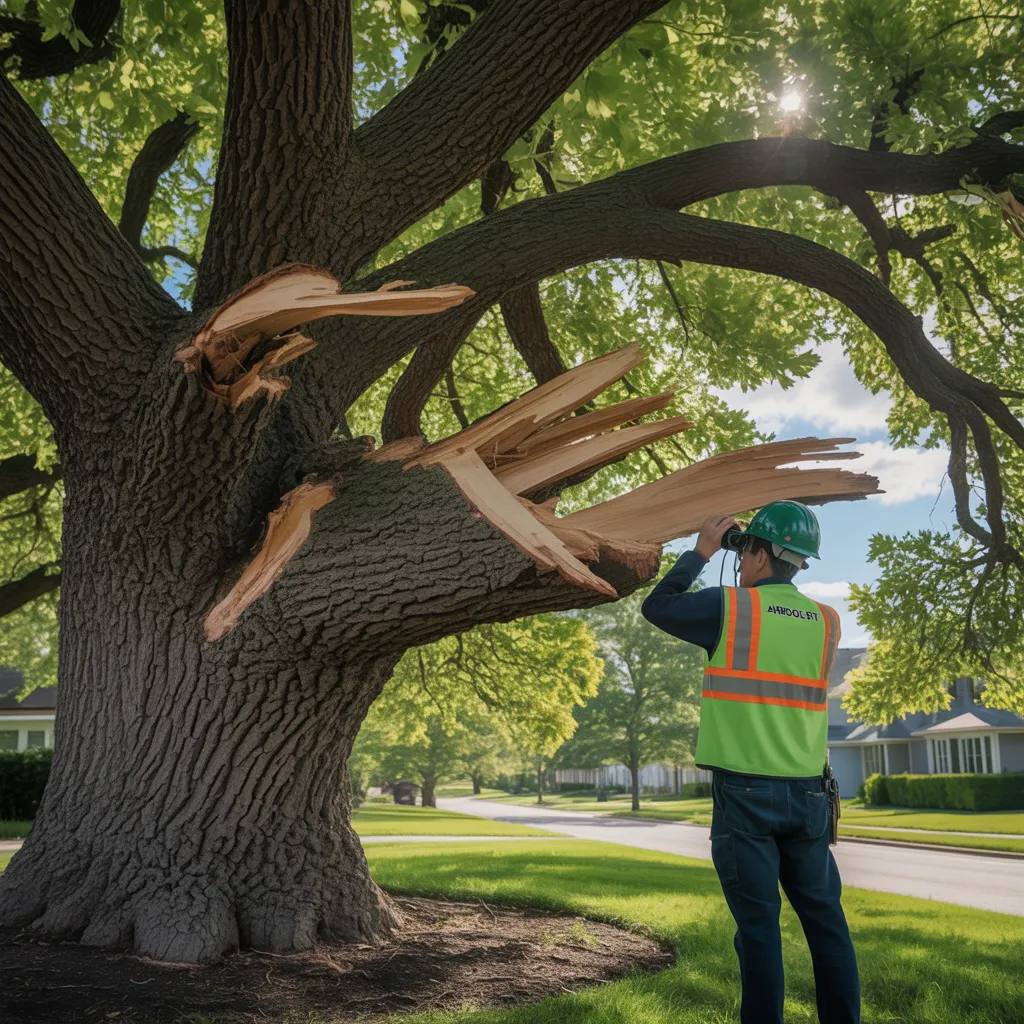
Key Reasons to Choose Professional Tree Cutting Services
When evaluating tree care, many homeowners recognize the considerable advantages of enlisting professional tree trimming services. These professionals have expert knowledge about tree varieties, growth habits, and proper cutting techniques, making sure trees are pruned or removed properly. This knowledge minimizes the risk of damage to adjacent structures and landscapes, promoting a healthier environment.
In addition, certified tree care professionals are equipped with the essential instruments and safety apparatus, which are typically pricey and necessitate specialized training to handle. This increases effectiveness while decreasing the probability of mishaps or injuries during the work. In addition, working with professionals can spare homeowners considerable time and effort, freeing them to prioritize other significant activities.
Additionally, tree cutting services can offer important evaluations of tree condition, informing homeowners on essential maintenance and care. This proactive approach contributes to the long-term beauty and durability of the property.
How Tree Cutting Services Strengthen Safety
Expert tree cutting services significantly improve safety for homeowners and their properties. Overgrown or damaged trees pose significant hazards, including the risk of falling limbs during storms or high winds. Such services examine tree condition and structural soundness, detecting potential dangers before they progress into hazardous situations.
Skilled technicians utilize advanced tools to carefully eliminate trees or branches, decreasing the likelihood of events that could result in personal injury or structural damage. Furthermore, they adhere to established safety measures that ensure the safety of both personnel and the surrounding area.
How Healthy Trees Impact Your Property Value
Tree health significantly impacts property value, primarily through their aesthetic appeal and structural integrity. Properly cared-for trees improve the visual appeal of a property, drawing in prospective buyers and improving market appeal. Conversely, unhealthy trees can pose safety risks and detract from the overall appeal, negatively impacting property values.
Tree Aesthetics and Appeal
Well-maintained trees significantly improve the visual charm and attractiveness of a property, affecting its market standing. Well-maintained trees contribute to a lush, inviting landscape, drawing in prospective homeowners and boosting street presence. The presence of flourishing, well-kept foliage can create a sense of tranquility and well-being, making properties highly appealing. Additionally, full-grown trees deliver coverage and screening, upgrading open-air environments and fostering neighborly connections. When trees are pruned and shaped by experts, they exhibit a polished appearance that elevates the entire landscape. Conversely, untended or declining trees could undermine a property's aesthetic quality, perhaps diminishing its resale potential. Therefore, utilizing skilled tree care services confirms that trees remain an asset rather than a liability.
Building Integrity and Safety
Although properly cared-for trees can boost a property's appeal, their structural integrity is equally important for safety and value. Weak or diseased trees pose significant risks, including possible harm to structures and people. When branches become unstable or roots weaken, the probability of dropping branches rises, putting nearby people and buildings at risk. Homeowners need to be aware that compromised trees can diminish property worth, as prospective purchasers frequently avoid concealed risks. Routine evaluations by arborists can detect problems before they escalate, ensuring that trees contribute positively to the landscape. By emphasizing proper tree care and security, property owners not only protect their investment but also foster an appealing environment that attracts potential buyers and enhances overall property worth.
Key Things to Know Before Hiring Tree Care Experts?
How do homeowners ensure they are hiring the most qualified tree care specialists? To begin, homeowners should conduct thorough research on prospective companies. Reviewing online feedback and testimonials helps homeowners understand the quality of work a company delivers. Moreover, verifying credentials such as insurance and licenses is essential; trustworthy tree care professionals must carry full insurance to safeguard against unexpected incidents.
Property owners should additionally request thorough estimates that specify the scope of work, ensuring there are no hidden costs. It helps to ask about the practices and equipment the provider utilizes, as contemporary methods can improve safety and effectiveness. In addition, a trustworthy tree care specialist will arrange a consultation to review particular requirements and offer personalized recommendations.
Ultimately, homeowners should trust their instincts during the vetting process. Clear communication and a polished approach can indicate a business's dedication to exceptional service. By following these guidelines, homeowners can arrive at knowledgeable conclusions when selecting professional tree care specialists.
Top 5 Mistakes Homeowners Make in Tree Care
Many homeowners unknowingly make critical errors in tree care that can lead to long-term damage. One common error is improper pruning, which may compromise a tree's structure and encourage disease. Moreover, overlooking mulching can result in soil erosion and moisture loss, which harms root systems. Excessive watering is another common error, as it can suffocate roots and invite fungal diseases. Homeowners might also overlook signs of pest infestations, permitting infestations to worsen and threaten tree health. Additionally, failing to account for a tree's mature size at planting can cause overcrowding, reducing growth and intensifying competition for nutrients. Tackling these mistakes is vital for sustaining a healthy landscape and securing the long-term wellbeing of trees. Through awareness of these pitfalls, homeowners can refine their tree care habits and foster a healthier environment.
How to Choose the Right Tree Cutting Service for You
Choosing the most suitable tree trimming service can significantly affect the overall condition and appearance of a property. Property owners should focus on companies with licensed arborists who demonstrate the essential expertise in proper tree care and removal techniques. Reviewing digital reviews and feedback can reveal details regarding a service's reliability and quality. Furthermore, collecting multiple quotes allows homeowners to compare pricing and services offered, ensuring they select a provider that fits their budget complete guide without compromising on quality.
It is also essential to verify that the selected service is fully insured and licensed, protecting the homeowner from potential liabilities. Inquiring about the equipment and methods employed can additionally reflect a provider's dedication to professionalism and safety. Finally, a trusted tree removal company will provide a comprehensive evaluation of the trees, offering guidance on upkeep and long-term care to preserve the landscape's integrity. Ultimately, thoughtful decision-making ensures homeowners find a service suited to their particular needs.
Frequently Asked Questions
What Are the Typical Prices for Professional Tree Cutting Services?
Professional tree cutting services typically cost between $200 and $2,000, with pricing influenced by the tree's size, placement, and the overall scope of the project. Supplementary costs may be included for stump removal and other specialized services.
What Time of Year Is Best for Tree Cutting?
The best time for tree cutting is generally the period between late winter and early spring, before new growth begins. This approach helps minimize tree stress and lowers the likelihood of disease spreading.
What Permits Are Required for Tree Cutting?
Indeed, particular permits are frequently necessary for tree removal, based on local regulations. Land owners should consult municipal authorities to confirm adherence and avoid potential fines or legal issues related to unauthorized tree removal.
How Can I Tell if a Tree Needs to Be Removed
Tree cutting may be necessary if it exhibits indicators of infection, deteriorating branches, or excessive leaning. Moreover, if it poses a safety risk to structures or people, consulting a professional for a thorough inspection is strongly advised.
What Equipment Is Used by Tree Cutting Specialists?
Arborists and tree removal experts commonly rely on axes, chainsaws, chippers, and pruning saws. Essential safety equipment includes helmets, gloves, and harnesses. Additionally, trucks and stump grinders may be employed for efficient debris removal and site cleanup.